
Understanding the psychological triggers of gambling behavior
The allure of gambling
Gambling has a unique appeal that captivates millions of individuals worldwide. This allure can be attributed to a variety of psychological triggers that entice players to engage in this activity repeatedly. One primary factor is the thrill associated with risk-taking and the anticipation of potential rewards. The excitement of winning, combined with the possibility of losing, creates a complex emotional landscape that many find irresistible. Many players are exploring engaging platforms, such as casoola-ca.com, which enhance their gambling experience.
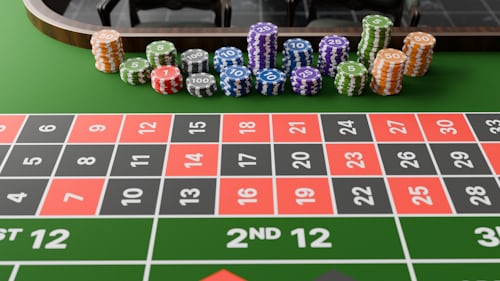
Moreover, the environment in which gambling occurs—whether in a physical casino or an online platform—plays a significant role in attracting players. Bright lights, sounds, and visual stimuli create an immersive experience that heightens emotional responses. This sensory engagement can lead to a state of euphoria, further reinforcing the desire to gamble.
Social influences on gambling behavior
Another significant trigger for gambling behavior is social influence. Many individuals are drawn to gambling through peer pressure or social norms that suggest it is a socially acceptable or entertaining pastime. Friends or family members who gamble can make the activity seem more appealing, leading to a higher likelihood of participation.
Additionally, social settings such as casinos or online gaming platforms foster a sense of community and camaraderie among players. This communal aspect can contribute to an individual’s decision to gamble, as they may feel compelled to join in or engage with their peers in these social environments.
The role of cognitive biases
Cognitive biases play a crucial role in gambling behavior, often skewing an individual’s perception of risk and reward. For example, the “gambler’s fallacy” leads players to believe that previous outcomes affect future results, such as thinking a game is due for a win after a series of losses. This misconception can encourage continued play, despite negative consequences.
Furthermore, the illusion of control—where players believe they can influence outcomes through skill or strategy—can also drive gambling behavior. This false sense of mastery can be particularly potent in games that involve some level of skill, leading individuals to engage in gambling more frequently than they otherwise might.
Emotional triggers and gambling addiction
The emotional triggers associated with gambling are profound and can often lead to problematic behaviors. Many individuals gamble to escape negative emotions or to cope with stress, anxiety, or depression. The temporary relief that gambling can provide may create a cycle where individuals turn to gambling as a primary coping mechanism, further entrenching them in addictive behaviors.
Additionally, the highs and lows of gambling can lead to intense emotional responses. Winning may produce feelings of elation, while losing can result in frustration or despair. This emotional rollercoaster can create an addictive dynamic, prompting individuals to chase losses or seek out the thrill of winning again, often at the expense of their well-being.

Casoola: A responsible gambling platform
Casoola stands out as a leading online casino that prioritizes user experience while emphasizing responsible gambling. With a vast selection of games and user-friendly navigation, it caters to players seeking entertainment while offering tools to manage their gambling behavior responsibly.
The platform is designed not only for enjoyment but also to promote safe gambling practices. Casoola provides resources for players to set limits and encourages a healthy approach to gaming, ensuring that individuals can enjoy their experience without falling prey to the psychological triggers of gambling behavior.